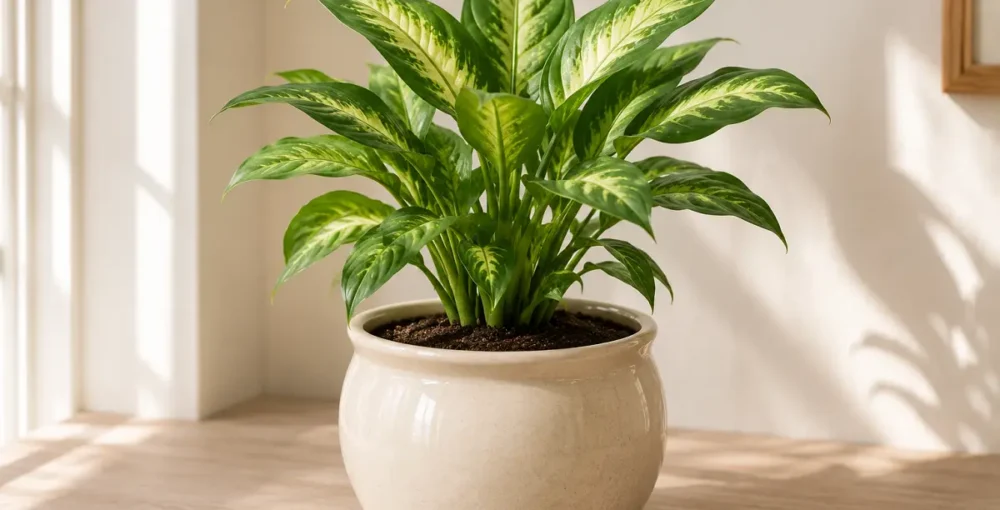
For most plants, choose a pot 1 to 2 inches wider than the current pot or root ball. For pots that are already 10 inches or larger, step up by 2 to 4 inches instead. The goal is slightly bigger, not dramatically bigger. A snug pot keeps roots healthy and watering manageable, while a pot that is far too large holds wet soil your plant cannot use and invites slow root rot.
Shop Khurja Pottery · Chat on WhatsApp
The simple pot size rule (1 to 2 inches bigger)
As of 2026, the most reliable guidance is still the 1 to 2 inch rule. Pick a pot whose top diameter is 1 to 2 inches larger than your plant’s current pot or root ball. Once a plant is in a pot of 10 inches or more, you can step up by 2 to 4 inches at a time, since a larger root system can handle a bigger jump.
One honest caveat: bigger pots can grow bigger plants, so this rule is practical guidance, not an absolute law. For indoor plants and any setup where it is easy to overwater, gradual sizing is the safe default. Outdoors, with strong light and fast drying, you have a little more room to size up.
Why pot size matters (it controls watering and root health)
Pot size decides how much soil surrounds the roots, and that controls almost everything else. More soil holds more water and stays wet longer. Less soil dries out faster. So the size you pick directly affects how often you need to water and how healthy the roots stay.
This is where the material matters. Glazed ceramic is not the same as unglazed terracotta. Terracotta lets some moisture pass through its walls, but a glazed ceramic planter holds moisture in. That is a real advantage for many plants, because they need watering less often, but it also means an oversized glazed pot stays damp for longer. So with glazed ceramic, getting the size right matters more, not less. Pairing the right size with proper drainage is what keeps roots out of soggy soil.
What happens if the pot is too big?
A pot that is too big causes a slow decline, not instant failure, which is why it often goes unnoticed. The oversized volume of soil holds far more water than a small root system can absorb. The soil stays wet for days, and over time the roots sit in damp conditions and begin to rot.
Watch for soil that stays wet long after watering, yellowing lower leaves, a musty smell, and growth that stalls. Because glazed ceramic retains moisture, an oversized glazed pot makes this more likely. The fix is prevention: size up gradually rather than jumping several inches at once.
What happens if the pot is too small?
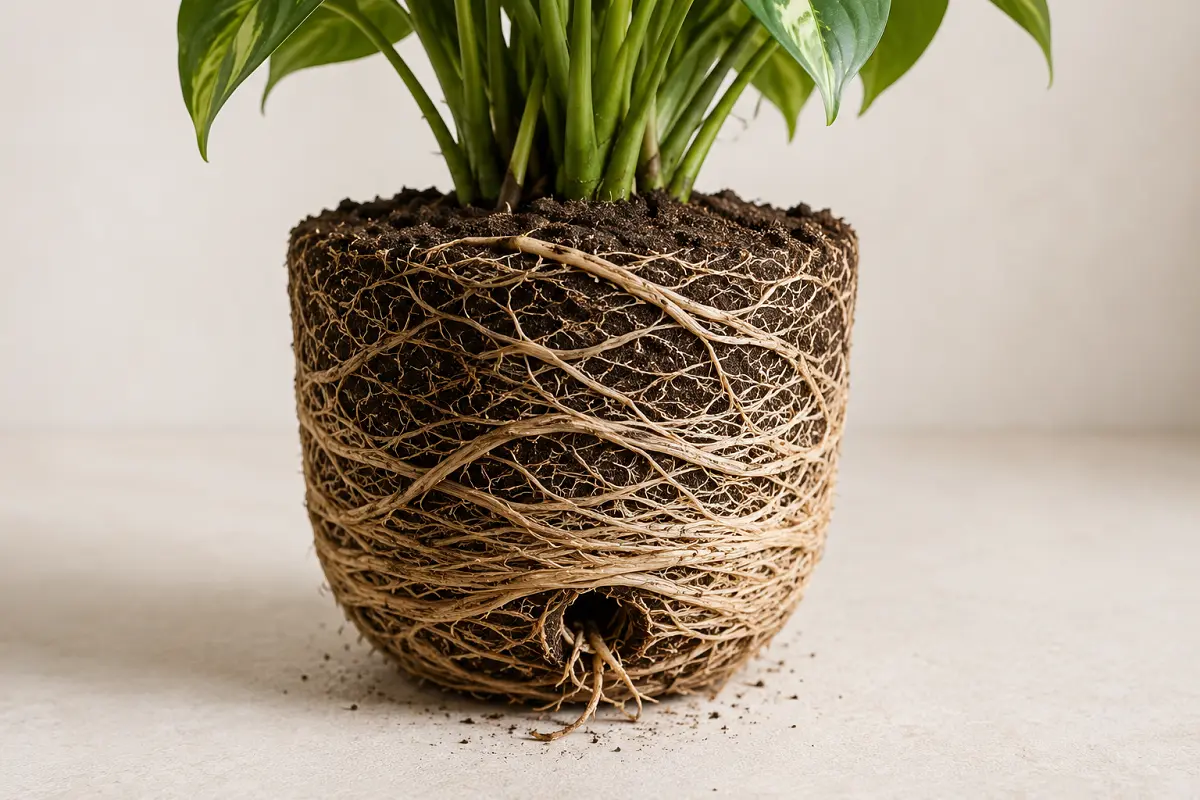
A pot that is too small leaves the roots no room to spread, so the plant becomes root bound. This shows up clearly: roots circle around the inside of the pot, push out through the drainage hole, or even lift the plant upward.
You will also notice the soil drying out very quickly, water running straight through without soaking in, slowed or stalled growth, and a plant that becomes top-heavy and tips over. When you see these signs, it is time to move up one pot size, following the same 1 to 2 inch rule.
Width vs depth (and why headspace matters)
When sizing a plant pot, width (the top diameter) is what the 1 to 2 inch rule refers to, and it is the main measurement to get right. But depth matters too, and it depends on the plant. Deep-rooted plants need a deeper pot, while shallow-rooted plants like succulents and cacti do better in a shallow, wide pot.
Leave 1 to 2 inches of headspace at the top, the gap between the soil line and the rim. This small space holds water when you pour, so it soaks down instead of spilling over the edge. A pot with no headspace is awkward to water and tends to make a mess.
Pot size by plant type
Different plants need different pot sizes, because their roots vary in how much room they want. Use this as a quick reference:
| Plant type | Recommended pot size step | Notes |
|---|---|---|
| Most houseplants (snake plant, money plant, peace lily) | 1 to 2 inches wider than the current pot | The standard rule for steady growth |
| Fast growers and aroids (monstera, pothos) | Up to 2 inches wider | Expect to repot more often as they spread |
| Succulents and cacti | About 0.5 to 1 inch wider, shallow pot | Snug fit dries faster and lowers rot risk |
| Herbs and leafy vegetables | 2 to 3 inches wider | A little more room supports quick growth |
| Large or established plants (already 10 inches+) | Step up 2 to 4 inches | Bigger jumps are safe once roots are large |
For everyday houseplants, our indoor pots cover the common sizes. Small, light, trailing plants like pothos look great in hanging pots. Shallow-rooted succulents and cacti suit the snug shape of bonsai pots. For larger plants that need a stable, heavier base, look at outdoor pots.
How to measure a pot before you buy
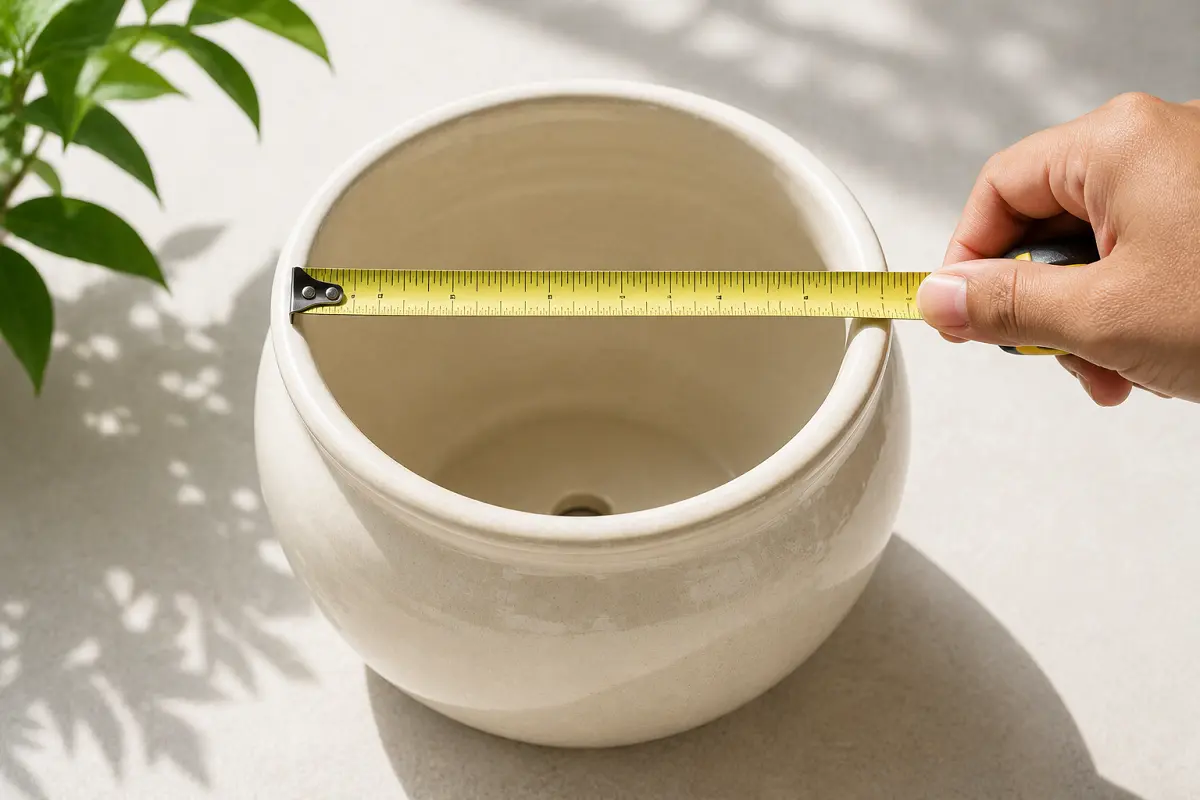
Pot size is measured by the diameter across the top rim, from one inside edge to the other. Depth is measured from the rim straight down to the inside base. Most pots, including ours, are listed by their top diameter, so check that figure first.
To match a pot to your plant, measure the current pot’s top diameter and add 1 to 2 inches. If your plant arrived in a plastic nursery pot, measure that and apply the same rule, since your new ceramic planter should sit about 1 to 2 inches wider than the nursery pot. When you browse our ceramic planters, the dimensions are listed on each product, so you can match the size before you buy. If you are unsure, message us and we will help you pick.
Get the size right and the rest of plant care gets easier: steadier watering, healthier roots, and a planter that looks right in the space. Once you have the size sorted, two things finish the job, making sure the pot drains well and knowing how to repot without cracking it.
Shop Khurja Pottery · Chat on WhatsApp
Frequently asked questions
1. What happens if a pot is too big for a plant?
A pot that is too big usually causes a slow decline rather than instant death. The extra soil holds more water than the small root system can absorb, so it stays soggy and the roots can slowly rot. You may notice soil staying wet for days, yellowing leaves, and stalled growth. Gradual sizing avoids this.
2. What happens if a pot is too small for a plant?
A pot that is too small leaves roots no room to spread, so the plant becomes root bound. Roots start circling inside the pot or push out through the drainage hole, the soil dries out very quickly, and growth slows down. When you see these signs, it is time to move up one pot size.
3. How much bigger should a pot be than the plant?
For most plants, choose a pot 1 to 2 inches wider in diameter than the current pot or root ball. For pots that are already 10 inches or larger, step up by 2 to 4 inches instead. The aim is slightly bigger, so roots have room without sitting in too much wet soil.
4. How do I measure the size of a pot?
Pot size is measured by the diameter across the top rim, from one inside edge to the other. Depth is measured from the rim down to the inside base. Most pots are sold by their top diameter, so check that figure first, then match it to your plant’s current pot plus 1 to 2 inches.
5. Can I put a small plant straight into a large pot?
It is better not to. A small plant in a very large pot sits in more soil and water than its roots can use, which keeps the soil wet and raises the risk of root rot over time. Size up gradually, 1 to 2 inches at a time, especially for indoor plants.
6. What size pot do succulents and cacti need?
Succulents and cacti prefer a snug, shallow pot, usually only about half an inch to 1 inch wider than the root ball. Their roots are shallow and they dislike sitting in damp soil, so a smaller pot that dries out faster suits them well. Good drainage matters even more for these plants.
7. How do I know when it is time to move my plant to a bigger pot?
Look for roots circling the surface or growing out of the drainage hole, soil that dries out within a day or two, water running straight through, and growth that has slowed or stalled. A top-heavy plant that tips over easily is another sign. These all mean the roots have outgrown the pot.
8. Do ceramic pots need to be larger than the plastic nursery pot?
Yes, slightly. Most plants arrive in a plastic nursery pot, and your ceramic planter should be about 1 to 2 inches wider in diameter than that nursery pot. This gives roots a little room to grow without leaving too much empty, wet soil around them. Match the rule to the nursery pot size.